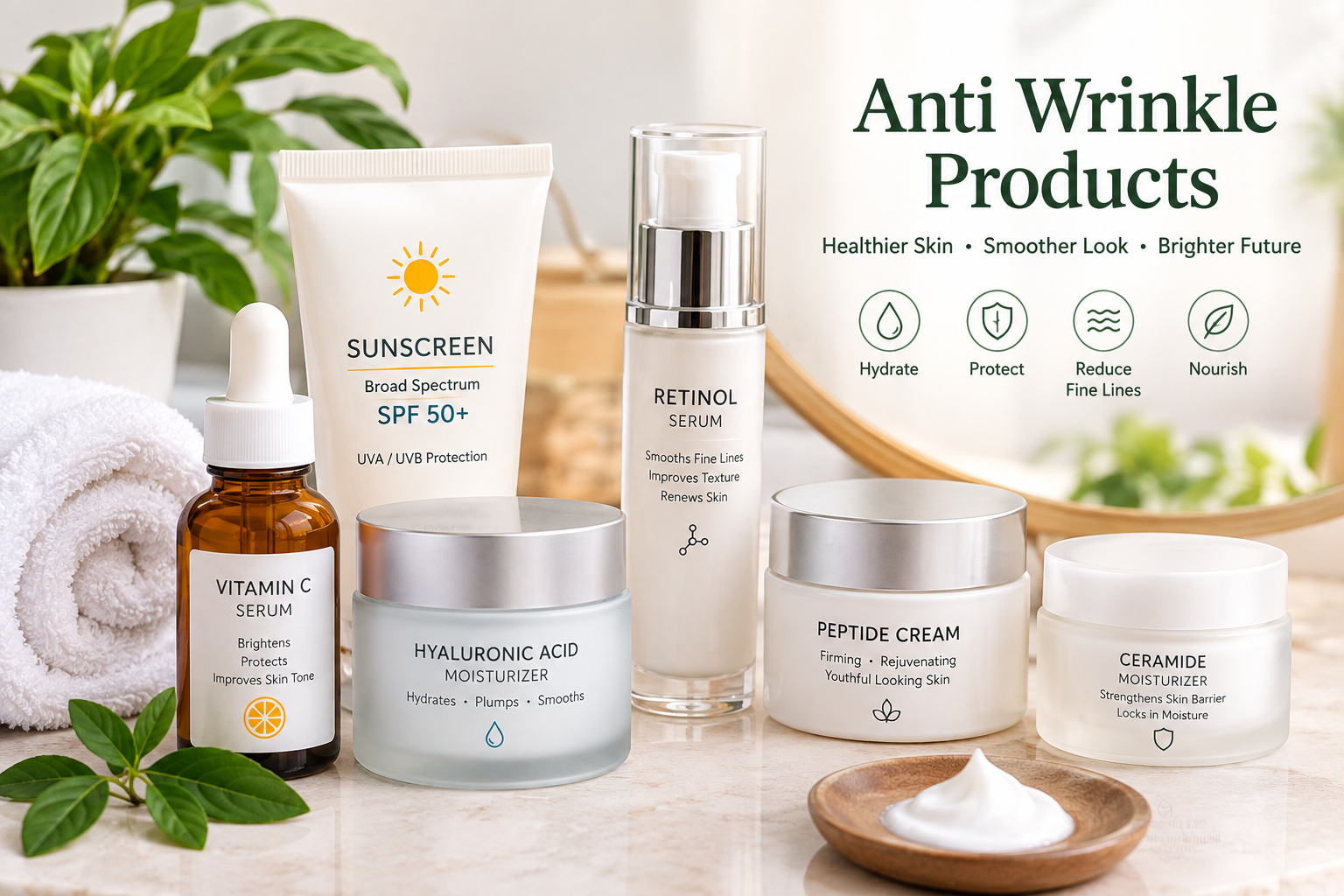
Wrinkles are a natural part of aging, but many people want to keep their skin looking smooth, hydrated, and healthy for as long as possible. Choosing the right skincare routine can help improve the appearance of fine lines and support healthier-looking skin over time.
With so many anti wrinkle products available, finding suitable options can feel confusing. Some products focus on hydration, while others contain ingredients that may help improve skin texture, uneven tone, or the appearance of fine lines. The best choice depends on your skin type, age, concerns, and skincare habits.
In this guide, you will learn about useful skincare ingredients, how to choose suitable products, common mistakes to avoid, and simple habits that support healthy-looking skin.
Table of Contents
What Are Anti Wrinkle Products?
Anti-wrinkle skincare products are creams, serums, lotions, and other topical treatments designed to improve the appearance of fine lines, dryness, and visible signs of aging.
Some formulas help the skin retain moisture, making fine lines caused by dryness less noticeable. Others contain ingredients that may gradually improve skin texture and tone when used consistently.
It is important to understand that no skincare product can completely stop the natural aging process. However, a suitable routine can help maintain your skin’s appearance and protect it from preventable damage.
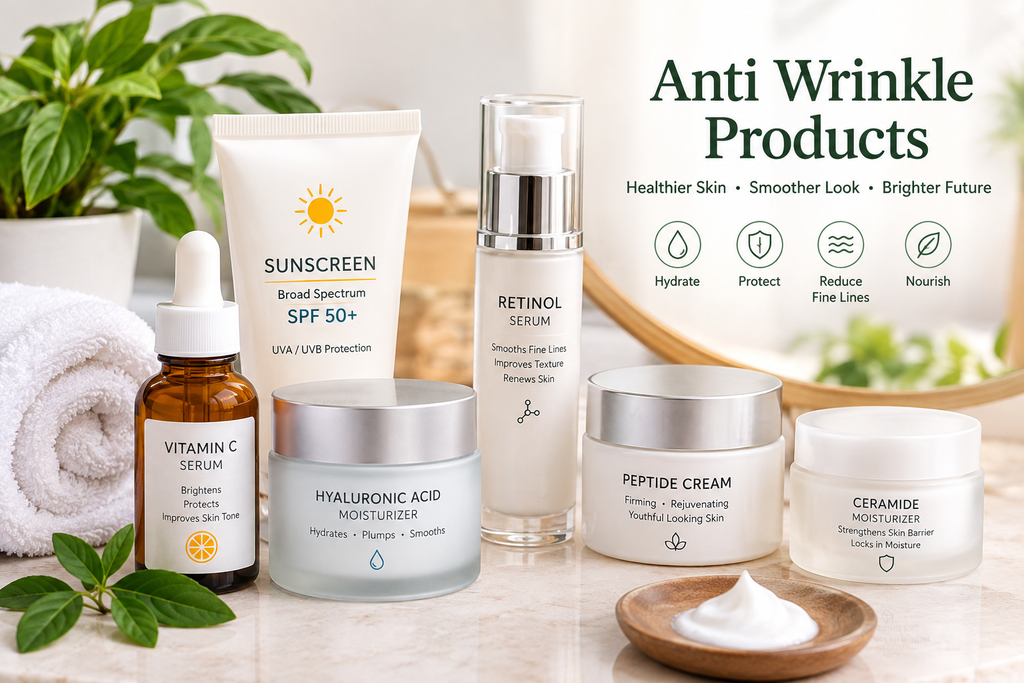
Best Ingredients to Look for in Anti Wrinkle Products
When comparing skincare options, pay attention to the ingredients rather than relying only on advertising claims. Here are some commonly used ingredients worth understanding.
1. Retinol
Retinol is a form of vitamin A commonly used in skincare products designed to improve the appearance of fine lines and uneven skin texture. It may support skin renewal over time.
However, retinol can cause dryness, redness, peeling, or irritation, particularly when you first start using it.
Tip: Start with a low-strength formula and use it occasionally before increasing frequency as tolerated. Avoid retinoids during pregnancy unless your healthcare professional specifically advises otherwise.
2. Hyaluronic Acid
Hyaluronic acid helps attract and retain moisture in the skin. Well-hydrated skin often appears smoother and more plump, which may make some fine lines less noticeable.
This ingredient is commonly found in serums, moisturizers, and hydrating creams. It can be a useful option for people with dry or dehydrated skin.
3. Vitamin C
Vitamin C is an antioxidant that helps protect the skin from oxidative stress caused by environmental factors. Some vitamin C formulas may also help improve the appearance of uneven skin tone.
When choosing a vitamin C product, consider the formula, packaging, and your skin’s sensitivity. Introduce new products gradually to reduce the chance of irritation.
4. Peptides
Peptides are ingredients used in some skincare formulas to support the appearance and feel of the skin. Their effectiveness depends on the specific peptide, concentration, and overall formulation.
Peptide creams and serums can be considered as part of a skincare routine, but results vary, and dramatic claims should be treated cautiously.
5. Ceramides
Ceramides are lipids that help support the skin’s natural protective barrier. Moisturizers containing ceramides can help reduce moisture loss and improve dryness.
They are particularly useful for people who experience dry, sensitive, or easily irritated skin.
6. Sunscreen
Sunscreen is one of the most important products for preventing premature skin aging. Ultraviolet radiation contributes to wrinkles, uneven pigmentation, and other visible signs of sun damage.
Choose a broad-spectrum sunscreen with SPF 30 or higher and apply it to exposed skin daily. Reapply approximately every two hours when outdoors, and after swimming or sweating, following the product instructions.
How to Choose the Right Anti Wrinkle Products for Your Skin Type
Not every skincare formula suits every person. Before buying anti wrinkle products, consider your skin type and the problems you want to address.
For Dry Skin
If your skin feels tight, rough, or flaky, look for moisturizers containing hyaluronic acid, glycerin, and ceramides.
These ingredients help support hydration and the skin barrier. A richer cream may work better than a lightweight lotion if your skin is particularly dry.
For Oily Skin
People with oily skin may prefer lightweight, non-comedogenic moisturizers and serums. These formulas can provide hydration without feeling excessively heavy.
Avoid assuming that oily skin does not need moisturizer. Keeping the skin comfortably hydrated is still important.
For Sensitive Skin
Choose fragrance-free formulas with a short, manageable ingredient list. Ceramides and gentle moisturizers may be useful options.
Introduce one new product at a time and perform a patch test according to the product instructions. Stop using a product if it causes persistent burning, swelling, or significant irritation.
For Combination Skin
Combination skin may have an oily forehead and nose but drier cheeks. A lightweight moisturizer can work across the face, with a richer cream applied to dry areas when needed.
You do not necessarily need separate products for every part of your face. A simple routine is often easier to maintain.
How to Use Anti Wrinkle Products in Your Daily Routine
Using products correctly can help you get more from your skincare routine while reducing unnecessary irritation.
Morning Routine
- Cleanse gently: Use a mild cleanser that does not leave your skin feeling tight.
- Apply a suitable serum: If desired, use a hydrating serum or a vitamin C product that your skin tolerates.
- Moisturize: Apply a moisturizer suited to your skin type.
- Protect your skin: Finish with broad-spectrum SPF 30 or higher sunscreen.
Evening Routine
- Remove sunscreen and makeup: Clean your face gently to remove daily buildup.
- Apply a treatment: If you use retinol, follow its product directions and begin gradually.
- Use moisturizer: Help maintain hydration and support your skin barrier.
You do not need to purchase every type of skincare product at once. Start with a gentle cleanser, moisturizer, and sunscreen. Consider adding a targeted treatment only when you understand your skin’s needs.
How Long Do Anti Wrinkle Products Take to Work?
Results depend on the ingredient, formulation, frequency of use, and your individual skin.
Moisturizers may make dry skin look smoother relatively quickly because they improve hydration. Ingredients such as retinol may require several weeks or longer to show noticeable changes in fine lines or texture.
Consistency is important, but using more product than recommended will not necessarily produce faster results. It may instead increase irritation.
Take progress photos in similar lighting if you want to compare changes over time. Remember that skincare results are usually gradual, and not every product will work equally well for everyone.
Common Mistakes to Avoid
Even good skincare products may disappoint when they are used incorrectly. Avoid these common mistakes:
- Using too many active ingredients: Combining several strong treatments at once may irritate your skin.
- Skipping sunscreen: Sun exposure can contribute to premature skin aging, even when you use other treatments.
- Changing products too frequently: Switching products every few days makes it difficult to judge their effectiveness.
- Ignoring skin sensitivity: Redness, persistent burning, and peeling are not signs that a product is necessarily working.
- Expecting instant results: Most changes in fine lines and skin texture take time.
- Trusting exaggerated claims: Be cautious of products promising to erase every wrinkle or make skin look dramatically younger overnight.
- Buying products without checking the label: Review the ingredients, directions, expiry date, and suitability for your skin.
A simple, consistent routine is often more practical than an expensive collection of treatments.
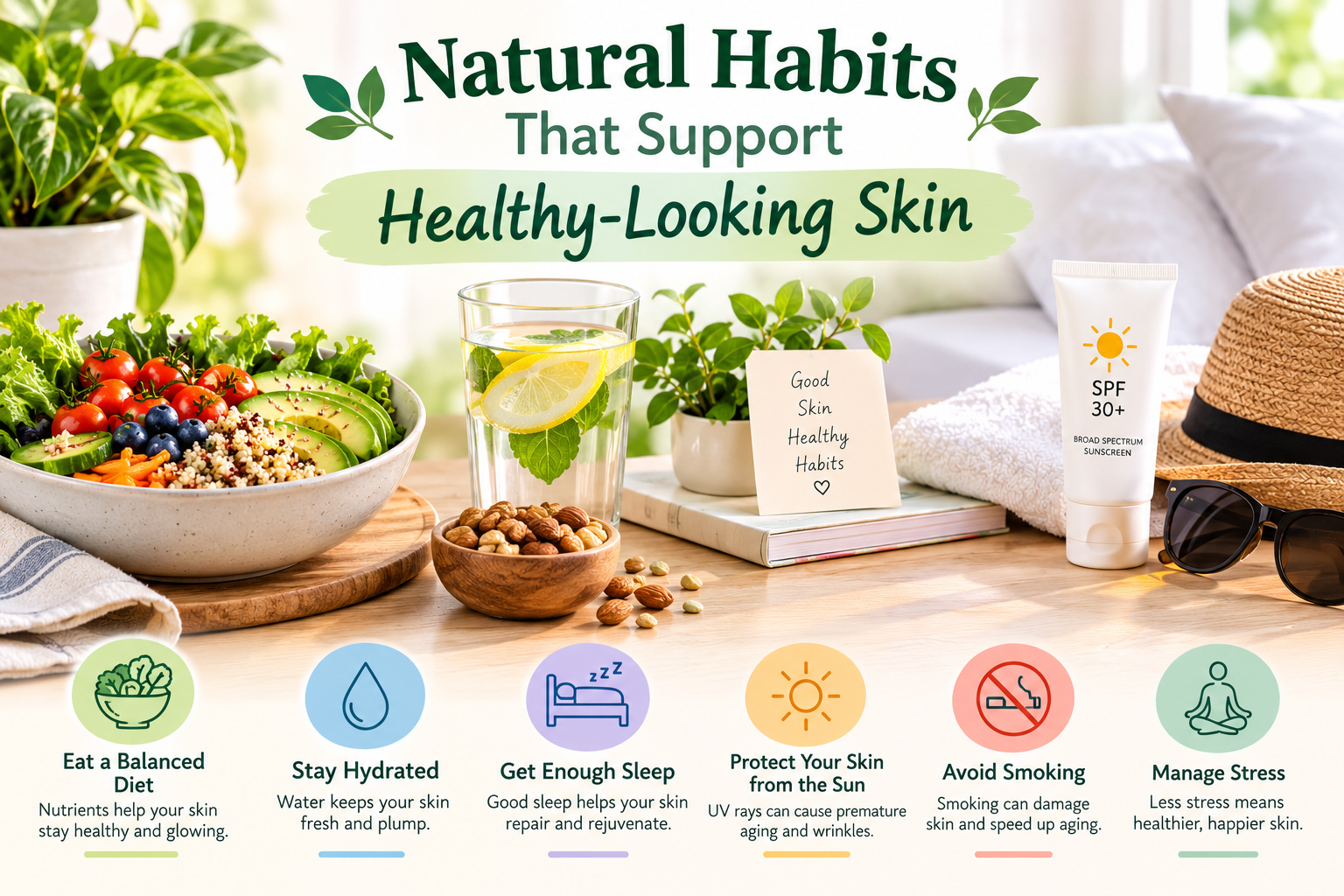
Natural Habits That Support Healthy-Looking Skin
Skincare products are only one part of caring for your skin. Everyday habits can also make a difference.
Eat a Balanced Diet
Include a variety of vegetables, fruits, whole grains, healthy fats, and protein sources in your meals. A balanced diet supplies nutrients that support normal skin function.
Get Enough Sleep
Adequate sleep supports overall health and gives your body time to recover from daily activities. Try to maintain a regular sleep schedule.
Stay Hydrated
Drink water regularly throughout the day. Your needs may vary depending on your activity level, climate, and health.
Avoid Smoking
Smoking contributes to premature skin aging and can make wrinkles more noticeable. Avoiding tobacco supports both skin health and overall well-being.
Protect Your Skin From Excessive Sun Exposure
Seek shade when appropriate, wear protective clothing, and use sunscreen. These habits help protect against UV damage and are important at every age.
According to the American Academy of Dermatology, protecting your skin from the sun, moisturizing regularly, and following healthy lifestyle habits can help reduce the signs of premature skin aging.
Are Expensive Anti Wrinkle Products Better?
Not necessarily. A higher price does not automatically mean a skincare product will work better.
An affordable moisturizer with suitable ingredients may be more useful for your skin than an expensive formula that causes irritation or does not address your concerns.
When comparing products, consider the ingredient list, formulation, packaging, directions, and your personal skin needs. Choose products from reputable sellers and avoid spending beyond your budget.
The goal is to find anti wrinkle products that fit your routine and are suitable for your skin, rather than buying products based on price or popularity alone.
When Should You Consult a Dermatologist?
Consider consulting a dermatologist if you have persistent skin irritation, unexplained changes in your skin, severe dryness, or concerns that do not improve with basic skincare.
A dermatologist can help identify your skin type, discuss treatment options, and recommend appropriate ingredients. Professional advice is especially useful if you have a skin condition or are considering stronger prescription treatments.
If you are pregnant, breastfeeding, or planning pregnancy, ask a qualified healthcare professional about the suitability of active skincare ingredients, particularly retinoids.
For an easy way to refresh the delicate skin around your eyes, learn about the benefits and proper use of a cold compress for dark circles.
Frequently Asked Questions
1. What are the best anti wrinkle products for beginners?
Beginners can start with a gentle cleanser, a suitable moisturizer, and broad-spectrum sunscreen. Once these basics are established, a targeted ingredient such as a hydrating serum or retinol may be considered, depending on skin type and tolerance.
2. Can anti-wrinkle creams remove wrinkles completely?
No. Creams may improve hydration and reduce the appearance of some fine lines, but they cannot completely remove all wrinkles or stop natural aging.
3. Is retinol suitable for every skin type?
Retinol may benefit some people, but it can irritate sensitive or dry skin. Begin gradually, follow the label directions, and seek professional advice if you are unsure whether it is suitable for you.
4. At what age should I start using anti-wrinkle skincare?
There is no single age at which everyone needs specialized anti-aging products. Daily sunscreen, gentle cleansing, and moisturizing are useful at many ages. More targeted products should depend on your skin concerns and needs.
5. Can I use vitamin C and retinol together?
Some people can use both in the same overall routine, but introducing them simultaneously may increase irritation. A practical approach is to introduce one ingredient at a time and use vitamin C in the morning and retinol in the evening if both are suitable for your skin.
6. Do natural skincare products work better than synthetic products?
Not automatically. Effectiveness and safety depend on the specific ingredients, their concentration, and the formulation. Natural ingredients can also cause allergic reactions or irritation.
Conclusion
Choosing the right skincare routine does not have to be complicated. Focus on hydration, sun protection, and ingredients that address your particular concerns rather than relying on expensive products or unrealistic promises.
The most suitable anti wrinkle products are those that work with your skin type, fit your budget, and can be used consistently without causing irritation. With patience and sensible skincare habits, you can support smoother, healthier-looking skin while allowing the natural aging process to take its course.
Disclaimer: This article provides general skincare information and is not a substitute for professional medical advice. Consult a qualified healthcare professional if you have persistent skin problems or concerns about specific ingredients.
