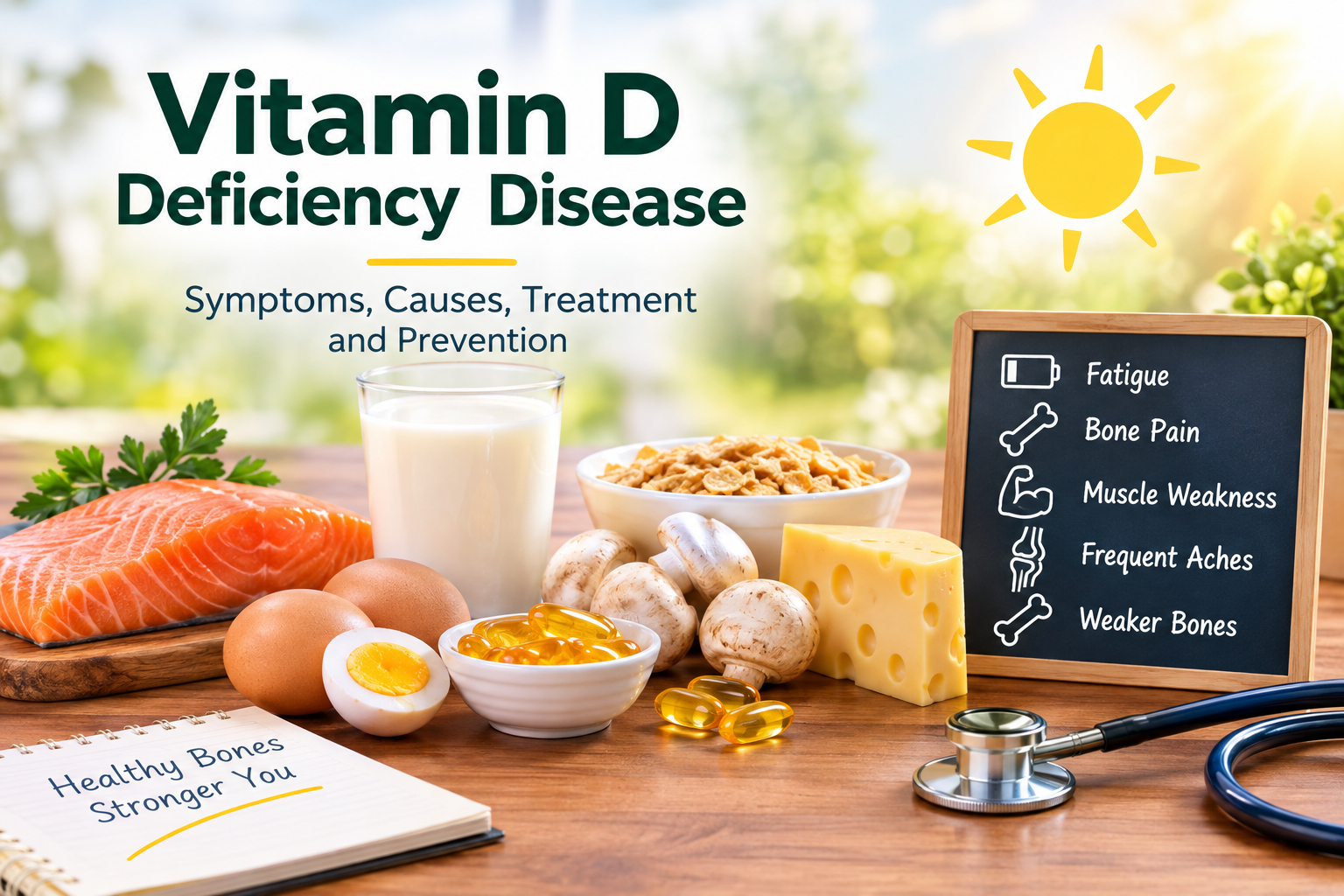
Vitamin D plays an important role in keeping our bones, teeth, and muscles healthy. It helps the body absorb calcium, which is essential for strong bones and normal muscle function. When the body does not get enough vitamin D over time, different health problems can develop.
Understanding vitamin d deficiency disease can help you recognize possible warning signs and take steps to protect your health. Although some people experience no noticeable symptoms, others may develop tiredness, muscle weakness, or bone pain. The good news is that low vitamin D levels can often be managed with the right diet, appropriate sunlight exposure, and medical advice.
In this article, we will explore the common symptoms, causes, risk factors, treatment options, and prevention tips.
Table of Contents
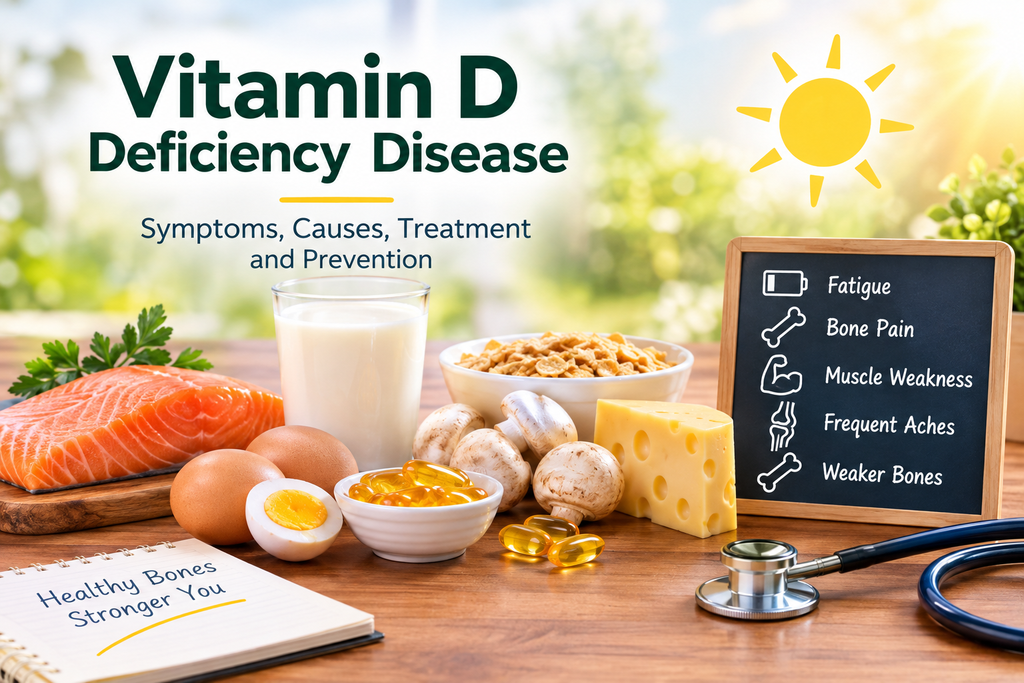
What Is Vitamin D Deficiency Disease?
Vitamin D deficiency occurs when the body does not have enough vitamin D to support its normal functions. This nutrient helps regulate calcium and phosphate levels, which are necessary for maintaining healthy bones and muscles.
A prolonged deficiency can lead to conditions such as rickets in children and osteomalacia in adults. Both conditions affect bone health and may cause pain or weakness.
The severity of vitamin D deficiency varies from person to person. A blood test can help determine whether vitamin D levels are low and whether treatment is needed.
10 Common Symptoms of Vitamin D Deficiency
The symptoms may develop gradually and can sometimes be confused with other health problems. Here are ten possible signs to understand.
1. Persistent Tiredness
Feeling tired even after getting enough sleep can have many causes. Low vitamin D levels may contribute to fatigue in some people, although tiredness alone cannot confirm a deficiency.
2. Bone Pain
Vitamin D supports the body’s ability to maintain healthy bones. When levels remain low, bone discomfort or tenderness may occur, particularly in the back, hips, legs, or ribs.
3. Muscle Weakness
Some people experience reduced muscle strength when their vitamin D levels are low. Everyday activities, such as climbing stairs or standing up from a chair, may become more difficult.
4. Frequent Muscle Aches
Muscle aches and discomfort may occur alongside other symptoms. However, similar problems can result from exercise, injuries, or other medical conditions.
5. Increased Risk of Fractures
Long-term vitamin D deficiency can weaken bones and contribute to a greater risk of fractures, especially when other risk factors for poor bone health are present.
6. Difficulty Walking or Climbing Stairs
Severe deficiency may cause muscle weakness and bone pain that affect movement. If these symptoms persist or interfere with everyday activities, seek medical advice.
7. Bone Problems in Children
Children with severe vitamin D deficiency may develop rickets. This condition can cause soft bones, delayed growth, bone pain, and changes in leg shape.
8. Delayed Physical Development
In children, inadequate vitamin D and calcium can affect normal bone development. Parents should discuss concerns about growth, walking, or bone pain with a healthcare professional.
9. Muscle Cramps
Muscle cramps or spasms can occur in some cases, particularly when calcium levels are also affected. Repeated or severe cramps should be evaluated rather than automatically blamed on vitamin D.
10. No Noticeable Symptoms
Not everyone experiences obvious warning signs. Some people discover a deficiency during medical testing or an assessment for bone-related problems.
Remember that these symptoms do not necessarily mean you have vitamin D deficiency. A healthcare professional can help identify the actual cause.
What Causes Vitamin D Deficiency?
Several factors can contribute to low vitamin D levels. Understanding these causes can help you identify possible risks.
1. Limited Sunlight Exposure
The skin produces vitamin D when exposed to ultraviolet B rays from sunlight. People who spend most of their time indoors or cover most of their skin outdoors may produce less vitamin D.
2. A Diet Low in Vitamin D
Vitamin D occurs naturally in relatively few foods. A diet that contains little oily fish, egg yolks, or vitamin D-fortified foods may contribute to inadequate intake.
3. Problems Absorbing Nutrients
Certain digestive conditions can reduce the body’s ability to absorb vitamin D from food. People with these conditions may need medical assessment and an individualized treatment plan.
4. Age and Other Health Factors
Older adults may produce less vitamin D through their skin. Certain kidney or liver conditions can also interfere with how the body processes vitamin D.
5. Certain Medications
Some medicines can affect vitamin D metabolism. If you take long-term medication and are concerned about deficiency, ask your healthcare professional whether an assessment is appropriate.
Who Is at Higher Risk?
Some people have a greater chance of developing vitamin D deficiency than others.
- People who spend very little time outdoors.
- Older adults.
- People with darker skin, because more melanin reduces vitamin D production from sunlight.
- People with digestive conditions that affect fat absorption.
- Individuals with certain kidney or liver disorders.
- People whose diets provide insufficient vitamin D.
- People taking certain medicines that affect vitamin D metabolism.
Having one or more risk factors does not automatically mean you have a deficiency. Your symptoms, medical history, and nutritional needs should be considered together.
How Is Vitamin D Deficiency Diagnosed?
A healthcare professional may recommend a blood test if your symptoms or medical history suggest a possible deficiency.
The usual test measures 25-hydroxyvitamin D, also written as 25(OH)D. Your healthcare professional will interpret the result using the relevant laboratory reference range and your individual circumstances.
Depending on your symptoms, additional tests may be needed to assess calcium levels, bone health, or other possible causes of muscle weakness and fatigue.
If you suspect vitamin d deficiency disease, avoid diagnosing yourself based only on tiredness, muscle pain, or online symptom lists.
For more information about vitamin D, its health benefits, food sources, and recommended intake, visit the National Institutes of Health Office of Dietary Supplements.
Treatment Options for Vitamin D Deficiency
Treatment depends on how low your vitamin D level is, your age, your health, and whether you have an underlying condition.
1. Vitamin D Supplements
A healthcare professional may recommend vitamin D supplements to correct a confirmed deficiency. The appropriate dose and duration depend on individual needs.
Do not take high-dose supplements without medical guidance. Excessive vitamin D can cause dangerously high calcium levels and may damage the kidneys.
2. Improve Your Diet
Including vitamin D-containing foods can help support healthy levels. Useful options include:
- Oily fish, such as salmon and sardines.
- Egg yolks.
- Foods fortified with vitamin D, such as certain milks, cereals, or plant-based drinks.
- Other fortified foods available in your region.
Food sources vary, so check product labels when choosing fortified options.
3. Get Sensible Sunlight Exposure
Outdoor daylight can help your body produce vitamin D. The amount produced depends on factors such as skin tone, season, location, clothing, and time spent outdoors.
There is no single sunlight schedule that works for everyone. Avoid sunburn and follow appropriate sun protection advice.
4. Treat Underlying Health Conditions
If a digestive, kidney, or liver condition is contributing to low vitamin D, treating or managing that condition may be an important part of care.
For people with confirmed vitamin d deficiency disease, a personalized plan can help restore vitamin D levels and support bone and muscle health.

How to Prevent Vitamin D Deficiency
A few practical habits can help reduce the risk of developing low vitamin D levels.
- Eat a balanced diet: Include suitable sources of vitamin D regularly.
- Spend time outdoors safely: Consider your local climate, skin sensitivity, and sun protection needs.
- Discuss supplements when appropriate: Ask a healthcare professional whether you need a daily supplement.
- Manage existing health conditions: Seek advice if you have a condition that affects nutrient absorption.
- Pay attention to persistent symptoms: Ongoing bone pain or muscle weakness deserves medical assessment.
- Follow professional advice: Children, older adults, and people with certain health conditions may need specific guidance.
Prevention should focus on your individual nutritional needs rather than taking large amounts of supplements without testing or medical advice.
When Should You See a Doctor?
Arrange a medical appointment if you experience persistent bone pain, unexplained muscle weakness, difficulty walking, or symptoms that interfere with everyday life.
Children with bone pain, delayed walking, unusual leg shape, or concerns about growth should be assessed by a healthcare professional.
Seek urgent medical attention for severe muscle spasms, seizures, or other sudden and serious symptoms.
Frequently Asked Questions (FAQs)
1. What is the main cause of vitamin D deficiency?
Common causes include limited sunlight exposure, inadequate dietary intake, and problems absorbing or processing vitamin D. Several factors can contribute at the same time.
2. Can vitamin D deficiency cause bone pain?
Yes. Severe or prolonged deficiency can lead to osteomalacia in adults, a condition associated with bone pain and muscle weakness.
3. How can I know if my vitamin D level is low?
A blood test measuring 25-hydroxyvitamin D can help identify low levels. Symptoms alone are not enough to confirm a deficiency.
4. Which foods help improve vitamin D intake?
Oily fish, egg yolks, and foods fortified with vitamin D can contribute to your daily intake. The amount varies between foods and products.
5. Can I take vitamin D supplements every day?
Daily supplementation may be appropriate for some people, but the dose depends on age, diet, risk factors, and medical needs. Ask a healthcare professional for advice before starting high-dose supplements.
Final Thoughts
Vitamin D is essential for healthy bones, teeth, and muscles. Low levels may cause few symptoms at first, but prolonged deficiency can contribute to significant bone problems.
Learning about vitamin d deficiency disease, recognizing possible warning signs, eating vitamin D-containing foods, and seeking medical advice when needed can help you make informed decisions about your health. If you suspect a deficiency, a suitable blood test and personalized treatment plan are more reliable than guessing from symptoms alone.
Maintaining good nutrition is important for overall health. If you are also looking for simple ways to care for your tongue, read our guide on home remedies for sore tongue.
Disclaimer: This article is for educational purposes only and does not replace professional medical advice, diagnosis, or treatment.
