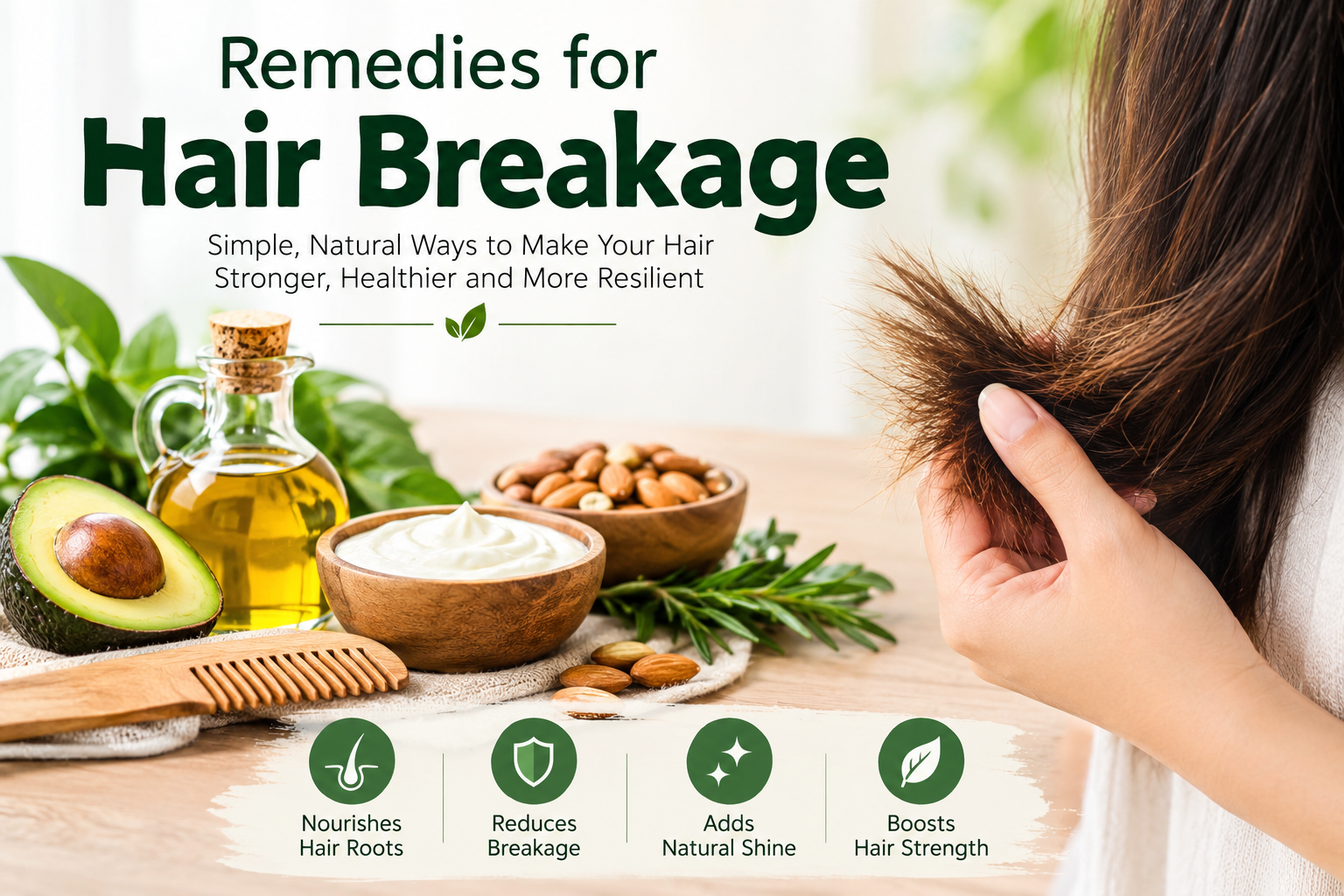
Hair breakage can make it difficult to maintain smooth, manageable hair, even when you follow a regular hair-care routine. You may notice uneven ends, short strands after brushing, or hair that becomes tangled more easily than before. These changes can happen when the hair shaft loses strength through repeated styling, chemical processing, friction, or unsuitable grooming habits.
Instead of trying multiple treatments at once, it is more helpful to understand what is making your hair vulnerable. The right remedies for hair breakage focus on reducing avoidable damage, improving manageability, and protecting the hair you already have.
This guide explains practical ways to adjust your daily routine, choose suitable hair-care products, and recognize situations where professional advice may be necessary.
Table of Contents
What Happens When Hair Breaks?
Hair breakage occurs when a strand snaps somewhere along its length rather than falling out as a complete strand. You might notice short pieces that have different lengths or ends that look rough and uneven.
Hair shedding is different because the strand comes away from the scalp. The two problems can sometimes occur together, so persistent thinning should not automatically be treated as ordinary breakage.
Frequent heat styling, aggressive detangling, chemical treatments, and repeated tension from hairstyles can weaken the hair shaft. Once you identify which habits may be contributing to the problem, you can make more targeted changes instead of buying products without knowing what your hair needs.
10 Practical Remedies for Hair Breakage
1. Select a Shampoo Based on Your Hair and Scalp Needs
Your scalp may need oil control, while your hair ends may require extra moisture and gentle care.For example, your roots might become oily quickly while your ends feel dry and rough.
Choose a shampoo that cleans your scalp without leaving your hair excessively tangled. Massage it gently with your fingertips and avoid scrubbing the lengths together.Wash away all shampoo completely, paying attention to the roots and areas where product can collect.
Adjust your hair-washing routine to how quickly your scalp becomes oily, how much you sweat, and how your hair responds to washing. There is no single schedule that works for everyone.
2. Use Conditioner to Improve Hair Manageability
Conditioner helps reduce friction between strands, making hair easier to comb and style. This can be especially useful when your hair becomes knotted after washing.
Apply a suitable conditioner to the lengths and ends, following the instructions on the product.For fine or thin hair, choose a conditioner with a light texture so it softens the strands without leaving them feeling heavy or flat. Dry or textured hair may benefit from a richer conditioner.
If your hair remains difficult to detangle, consider a suitable leave-in product. Introduce one product at a time and observe whether it improves manageability.
Conditioner cannot rebuild a broken strand, but it can help reduce the friction associated with everyday grooming.
3. Detangle Hair Without Pulling
A small knot can become a larger problem when you try to remove it with force. Pulling a comb through tangled hair places stress on individual strands and may cause them to snap.
Try separating your hair into sections before combing. Begin near the ends, loosen small tangles, and gradually work toward the roots. While untangling, support the hair gently just above the tangled area to limit tension on the roots and help prevent strands from snapping.
A wide-tooth comb or a suitable detangling brush can help, depending on your hair texture. Curly hair may be easier to detangle when damp and coated with conditioner, while other hair types may benefit from partial drying first.
Give yourself enough time to finish the process gently. The aim is to remove tangles without stretching or snapping the strands.
4. Reduce Heat From Styling Tools
Straighteners, curling irons, and hot blow-dryers can contribute to structural damage when used too frequently or at excessive temperatures.
If your hair has become brittle, reduce the number of heat-styling sessions each week. Allow it to air-dry when practical, use an appropriate lower temperature, and apply a suitable heat protectant according to its directions.
Avoid repeatedly applying a straightener to the same section. If you need several passes to achieve the desired style, consider lowering the temperature or choosing a less heat-intensive hairstyle.
Heat protectants may reduce some damage, but they do not remove every risk. Limiting unnecessary heat remains important.
5. Use Hair Oils According to Your Hair’s Needs
Some hair oils can improve lubrication and make rough lengths feel smoother. Coconut oil has also been studied for its potential to reduce protein loss under certain conditions.
However, oil is not a complete treatment for every kind of hair damage. It cannot permanently reconnect split ends or restore a strand that has snapped.
If you want to try an oil, begin with a small amount on the lengths and ends. Check whether it improves manageability without making your hair heavy or difficult to wash. Stop using it if you experience irritation.
A product that suits your hair is more useful than applying several oils simply because they are described as natural.
6. Avoid Hairstyles That Put Constant Pressure on Hair
Tight ponytails, buns, braids, and heavy extensions can place repeated tension on the hairline and other areas. Over time, this stress may contribute to breakage and traction-related hair loss.
Choose hairstyles that feel comfortable throughout the day. Soft hair ties and looser styles can reduce pulling, while changing the position of tied hairstyles may prevent repeated tension in one area.
Pay attention to soreness, small bumps, or thinning around the hairline. If these signs develop, loosen your hairstyle and seek professional advice if the changes persist.
7. Protect Hair During Chemical Treatments
Bleaching, relaxing, perming, and repeated colouring can alter the hair shaft and leave strands more vulnerable to snapping.
If your hair becomes unusually brittle after a chemical treatment, consider postponing further processing. Avoid applying additional chemicals to already damaged sections without professional guidance.
Use suitable conditioning products and keep your styling routine gentle while the hair is fragile. Adding another treatment immediately may not address the underlying problem.
When damage is extensive, ask a qualified hair professional to assess the condition of your hair before deciding whether further chemical services are appropriate.
8. Support Hair Growth With Balanced Nutrition
Hair requires adequate nutrition to grow normally. A restrictive diet or certain nutritional deficiencies can contribute to hair problems, although breakage is not always caused by a dietary issue.
Aim to include a variety of protein sources, vegetables, fruits, whole grains, and other nutrient-rich foods in your meals.
Examples include eggs, fish, dairy foods, beans, lentils, nuts, seeds, and leafy vegetables. These foods contribute different nutrients that support normal body functions and hair growth.
No individual food can guarantee stronger hair, and a balanced diet cannot repair strands that have already snapped. If you suspect a deficiency, ask a healthcare professional whether testing is appropriate before taking supplements.
9. Change Your Post-Wash Drying Method
The way you handle wet hair can affect how much mechanical stress it experiences. Rather than rubbing your hair back and forth with a towel, use your hands to press out excess water gently.
Next, wrap your hair loosely in a soft towel or microfiber towel and allow the fabric to absorb moisture. Avoid twisting the hair into a tight bundle, particularly if it tangles easily.
Before brushing, consider your hair texture and condition. Use an appropriate detangling method rather than forcing a brush through knots. If you use a blow-dryer, select a suitable lower heat setting and keep the airflow moving.
These changes will not repair existing damage, but they can help make the drying process gentler and reduce avoidable pulling.
10. Manage Split Ends With a Suitable Trim
When a hair strand splits, its damaged structure cannot be permanently restored with oil, conditioner, or a home remedy. Products may temporarily smooth the surface, but the split remains.
A trim removes the affected portion and can make the remaining hair look neater. How much to cut depends on the extent of the splitting and how much length you want to maintain.
Rather than trimming according to a strict calendar, check whether your ends are repeatedly splitting, catching on other strands, or becoming difficult to manage.
Trimming does not make hair grow faster from the scalp. Its main purpose is to remove damaged lengths and improve manageability.
Build a Weekly Routine for Fragile Hair
A routine is easier to maintain when each step has a clear purpose. You do not need a different treatment for every day of the week.
| Hair-care activity | Practical approach |
|---|---|
| Washing | Clean the scalp gently with a suitable shampoo. |
| Conditioning | Use conditioner to improve smoothness and reduce friction. |
| Detangling | Work through small sections without forceful pulling. |
| Styling | Limit high heat and avoid tight hairstyles. |
| Nutrition | Eat varied meals that meet your nutritional needs. |
| Checking the ends | Look for persistent splitting and consider a trim if needed. |
Start with the changes most relevant to your hair. If you regularly use heated tools, reducing heat may be a more useful first step than changing your shampoo.
Avoid introducing several new products simultaneously. Making one change at a time helps you understand what improves your hair and what may not suit it.
How Can You Tell If Your Hair-Care Changes Are Working?
Progress may appear as improved manageability rather than an immediate change in length or thickness.
For example, you might notice that your comb passes through more easily, your hair tangles less during washing, or your ends feel smoother. You may also see fewer short broken pieces during routine grooming.
These observations can help you evaluate your habits, but they cannot diagnose the cause of hair damage. Existing splits will not disappear simply because your routine has improved.
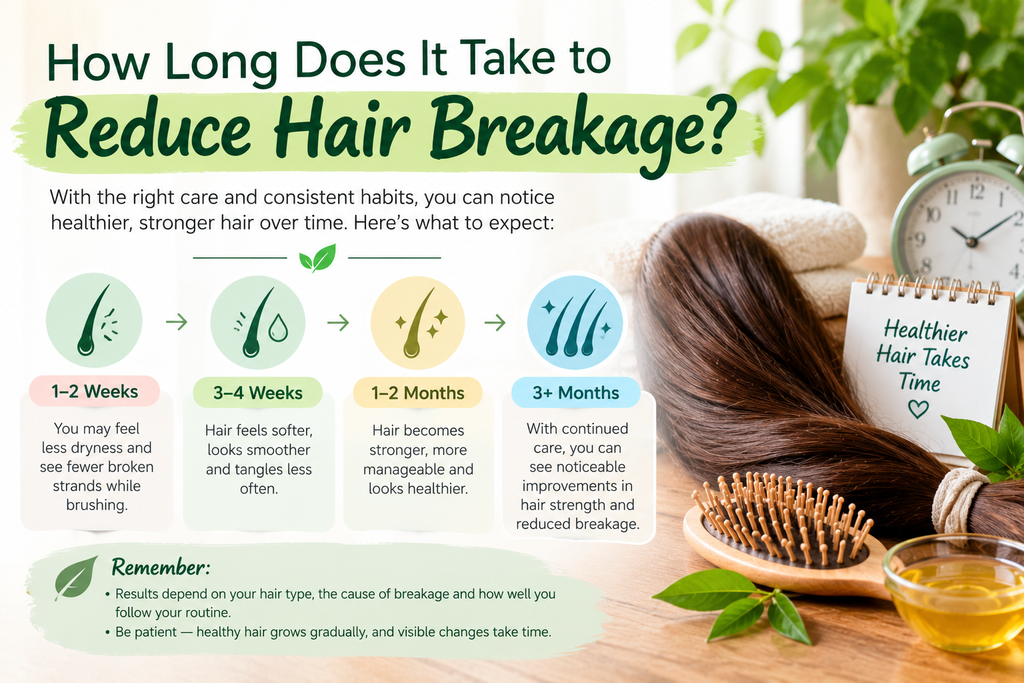
Hair growth takes time, so avoid expecting an immediate transformation. If your hair continues to break or becomes visibly thinner, consider consulting a dermatologist.
Common Habits That May Increase Hair Damage
Some routines unintentionally place repeated stress on fragile strands.
- Rushing through tangles: Knots need to be loosened gradually rather than pulled apart.
- Using high heat repeatedly: Frequent exposure may increase dryness and structural damage.
- Keeping hairstyles too tight: Persistent pulling can affect the hairline.
- Repeating chemical treatments: Additional processing may worsen already fragile hair.
- Expecting products to reverse all damage: Cosmetic products can improve appearance and manageability, but they cannot restore every damaged strand.
- Taking unnecessary supplements: High doses of certain vitamins or minerals can cause harmful effects.
The most useful approach is to identify which habits are relevant to your situation and change them consistently.
For additional guidance on protecting fragile strands and building healthier hair-care habits, explore these healthy hair care tips from the American Academy of Dermatology Association.
When Should You Seek Professional Advice?
Home hair care may help reduce damage caused by styling and friction, but not every hair problem has the same cause.
Consider consulting a dermatologist if you notice sudden or extensive thinning, bald patches, persistent scalp itching, redness, pain, or breakage that continues despite gentler care.
Changes in your hair accompanied by other unexplained symptoms also deserve attention. A healthcare professional can help determine whether a scalp condition, nutritional deficiency, or another medical issue may be involved.
Do not rely solely on home remedies when hair changes are sudden, severe, or persistent.
Frequently Asked Questions
1. What should I change first if my hair keeps breaking?
Begin by reviewing your most frequent hair-care habits. Reduce unnecessary heat, condition your hair regularly, and detangle it carefully. If breakage is sudden or accompanied by visible thinning, seek professional advice.
2. Can natural oils repair split ends?
No. Oils may improve smoothness and reduce friction, but they cannot permanently reconnect split hair fibres. Trimming is the way to remove existing split ends.
3. Is conditioner useful for fragile hair?
Yes. Conditioner can improve manageability and reduce friction during combing. Choose a formula suitable for your hair texture and follow the product instructions.
4. Can diet affect hair health?
Adequate nutrition supports normal hair growth. However, not every case of breakage is related to diet. If you suspect a deficiency, consult a healthcare professional rather than taking supplements without guidance.
5. Can tight hairstyles cause hair loss?
Repeated tension from tight hairstyles may damage the hairline and contribute to traction alopecia. Choose comfortable styles and seek advice if thinning or scalp irritation develops.
6. How long does it take to improve hair breakage?
There is no fixed timeline. Reducing damaging habits may improve manageability, but existing damaged lengths do not return to their original condition. New growth takes time, and persistent breakage may require professional assessment.
7. Should I stop washing my hair to prevent breakage?
Not necessarily. Your scalp still needs suitable cleansing. Focus on gentle washing, appropriate conditioning, and careful handling rather than avoiding washing altogether.
Conclusion
Hair breakage often requires a change in habits rather than a collection of expensive treatments. Gentle cleansing, careful detangling, suitable conditioning, reduced heat exposure, comfortable hairstyles, and balanced nutrition can all contribute to better hair care.
The most effective remedies for hair breakage are those that address the likely cause and fit your hair’s needs. Start with manageable changes, observe how your hair responds, and avoid expecting products to repair damage that cannot be reversed.
If breakage persists or you notice unusual thinning or scalp symptoms, consult a qualified healthcare professional for an appropriate assessment.
Disclaimer: This article provides general hair-care information and is not a substitute for professional medical advice. Seek advice from a qualified healthcare professional for persistent breakage, scalp symptoms, or unexplained hair changes.
