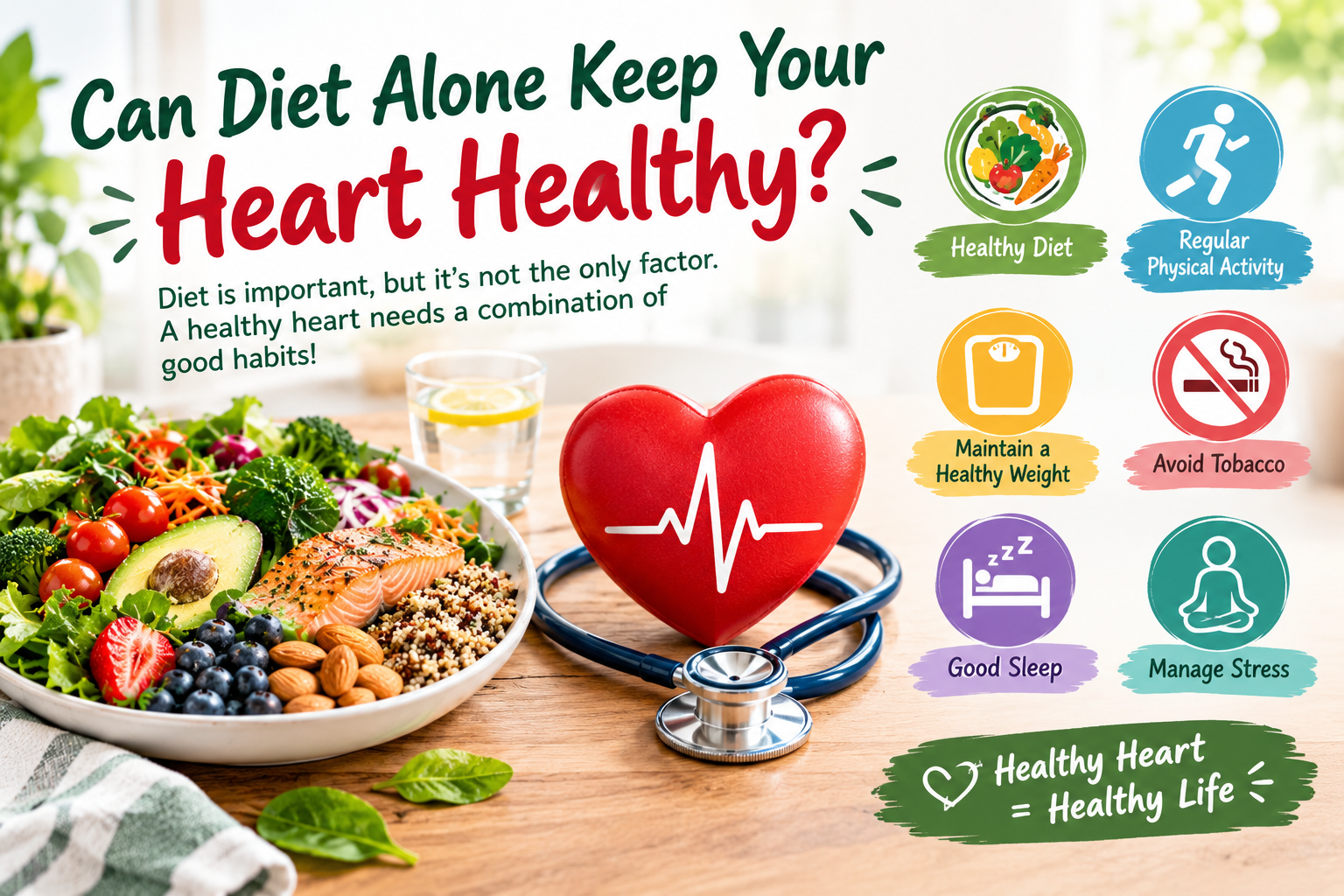
A heart healthy diet is an important part of taking care of your overall health. The foods you eat regularly can affect important factors such as blood pressure, cholesterol levels, blood sugar, and body weight. Choosing nutritious foods and limiting foods that are high in saturated fat, added sugar, and excess sodium can help support better heart health.
You do not need to follow a complicated meal plan to make your diet more heart-friendly. Simple changes, such as eating more vegetables, fruits, whole grains, beans, and other nutritious foods, can make a difference over time.
Table of Contents
What Is a Heart Healthy Diet?
A heart healthy diet is an eating pattern that focuses on nutritious foods while limiting foods that may be less beneficial when eaten frequently or in large amounts.
A heart-friendly eating pattern can include:
- Fresh vegetables and fruits
- Whole grains
- Beans and lentils
- Nuts and seeds in appropriate portions
- Fish and other lean protein sources
- Low-fat or fat-free dairy products, depending on individual needs
- Healthy sources of unsaturated fats
It is also helpful to limit highly processed foods, excess sodium, added sugars, and foods high in saturated fats.
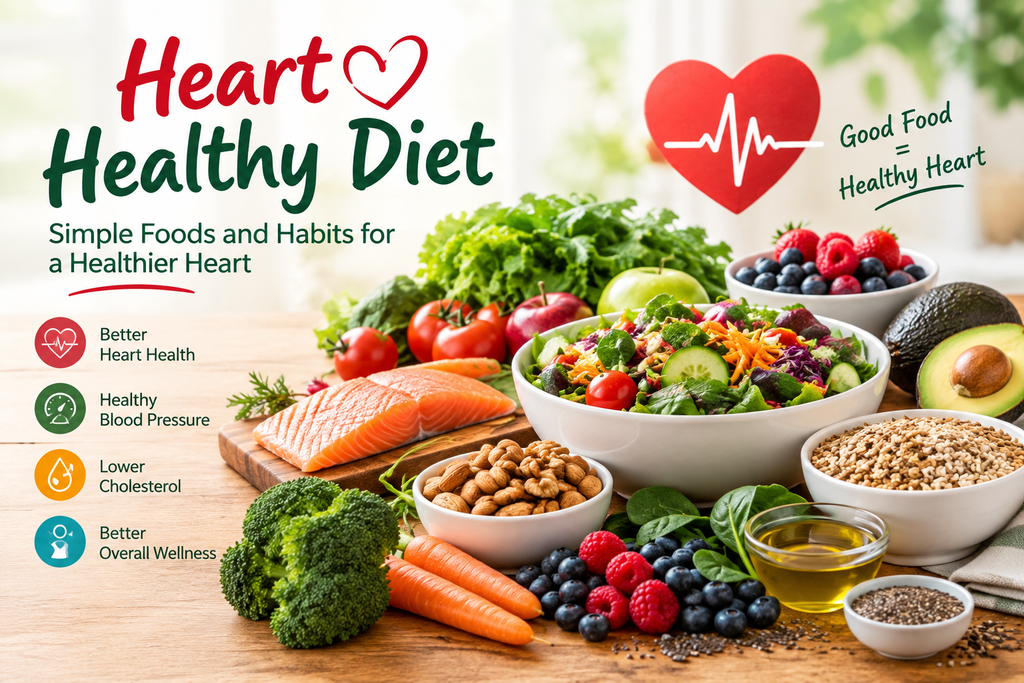
1. Eat More Fruits and Vegetables
Fruits and vegetables are important parts of a heart healthy diet because they provide vitamins, minerals, fiber, and other beneficial nutrients.
Try adding different colors of fruits and vegetables to your meals. For example, you can include leafy greens, tomatoes, carrots, berries, oranges, apples, and other seasonal produce.
Instead of thinking about vegetables as a side dish only, try adding them to soups, salads, sandwiches, rice dishes, or main meals.
2. Choose Whole Grains
Whole grains can provide fiber and other nutrients. Examples include:
- Oatmeal
- Brown rice
- Whole-wheat bread
- Whole-grain pasta
- Barley
- Whole-grain cereals
When shopping, check food labels and look for products that contain whole grains as an important ingredient.
Replacing some refined grains with whole-grain choices can be a simple way to improve your overall eating pattern.
3. Include Healthy Sources of Protein
Protein is an important part of a balanced diet. For a heart healthy diet, consider a variety of protein sources.
Beans, lentils, fish, poultry, eggs, nuts, and seeds can all be included depending on your dietary preferences and nutritional needs.
If you eat meat, choosing leaner cuts and paying attention to portion sizes can help reduce your intake of excess saturated fat.
4. Choose Healthy Fats
Not all fats are the same. Unsaturated fats found in foods such as nuts, seeds, avocados, and certain plant oils can be part of a balanced eating pattern.
At the same time, it is useful to limit foods that contain high amounts of saturated and trans fats.
Rather than completely removing fat from your diet, focus on choosing nutritious fat sources and using appropriate portions.
5. Reduce Excess Sodium
Too much sodium can contribute to high blood pressure in some people. Since high blood pressure is an important cardiovascular risk factor, paying attention to sodium intake can be helpful.
A heart healthy diet can include less salt by using herbs, spices, garlic, lemon, and other flavorful ingredients instead of relying heavily on salt.
Processed foods, packaged snacks, instant meals, and some sauces can contain substantial amounts of sodium, so checking nutrition labels can be useful.
6. Limit Added Sugar
Foods and drinks with a lot of added sugar can add extra calories without providing many essential nutrients.
Try limiting sugary soft drinks, sweets, desserts, and other foods with large amounts of added sugar.
Instead, choose whole fruits when you want something naturally sweet. Water can also be a better everyday choice than sugar-sweetened beverages.
7. Eat More Fiber-Rich Foods
Fiber is another useful part of a balanced diet. You can find fiber in vegetables, fruits, whole grains, beans, lentils, nuts, and seeds.
Adding fiber-rich foods to meals can also help you feel satisfied.
Increase fiber gradually and drink enough fluids throughout the day, especially if your current diet is low in fiber.
8. Watch Your Portion Sizes
Even nutritious foods should be eaten in appropriate amounts. Portion control can be an important part of a heart healthy diet and can also help with maintaining a healthy body weight.
Try serving reasonable portions and eating slowly. Using smaller plates or bowls may also help some people become more aware of how much they are eating.
Instead of focusing only on individual foods, consider the overall balance of your meals.
9. Drink More Water
Water is an important part of everyday health. Choosing water instead of sugary beverages can reduce your intake of added sugar and unnecessary calories.
Keep water available throughout the day and drink according to your body’s needs.
If you do not enjoy plain water, adding slices of lemon, cucumber, or fresh fruit can provide flavor without relying on sugary drinks.
10. Make Healthy Eating a Long-Term Habit
A heart healthy diet should not feel like a temporary diet that you follow for only a few weeks.
The most useful changes are often those you can maintain over the long term. Start with small adjustments instead of trying to completely change your meals overnight.
For example, you could add one extra serving of vegetables each day, replace a sugary drink with water, or choose whole-grain bread instead of refined bread.
Once these habits become comfortable, you can gradually make additional improvements.
Sample Heart-Friendly Meal Ideas
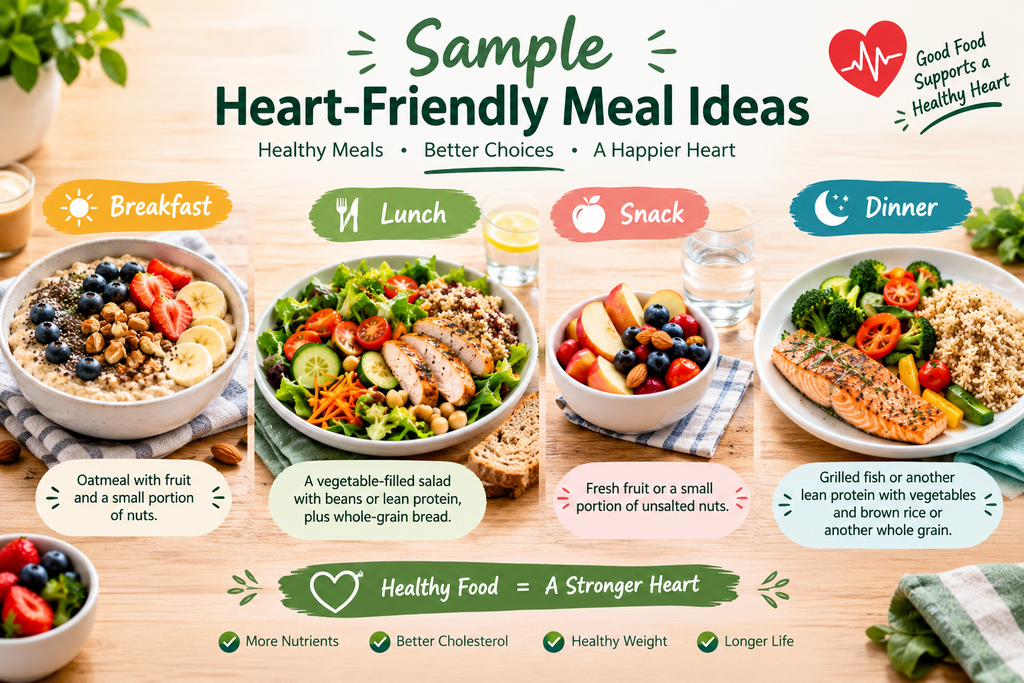
Creating a healthy meal does not have to be complicated. Here are some simple ideas:
Breakfast:
Oatmeal with fruit and a small portion of nuts.
Lunch:
A vegetable-filled salad with beans or another lean protein source, along with whole-grain bread.
Snack:
Fresh fruit or a small portion of unsalted nuts.
Dinner:
Grilled fish or another lean protein with vegetables and brown rice or another whole grain.
Remember that individual nutritional needs vary, so these are general examples rather than a personalized diet plan.
Foods to Limit for Better Heart Health
A heart healthy diet does not mean you can never eat your favorite foods. However, some foods are better kept as occasional choices rather than everyday staples.
Consider limiting:
- Highly processed foods
- Foods high in saturated fat
- Foods containing trans fats
- Sugary drinks
- Excess sweets and desserts
- Very salty packaged foods
- Large portions of fried foods
Reading nutrition labels can help you compare products and make more informed choices.
Can Diet Alone Keep Your Heart Healthy?
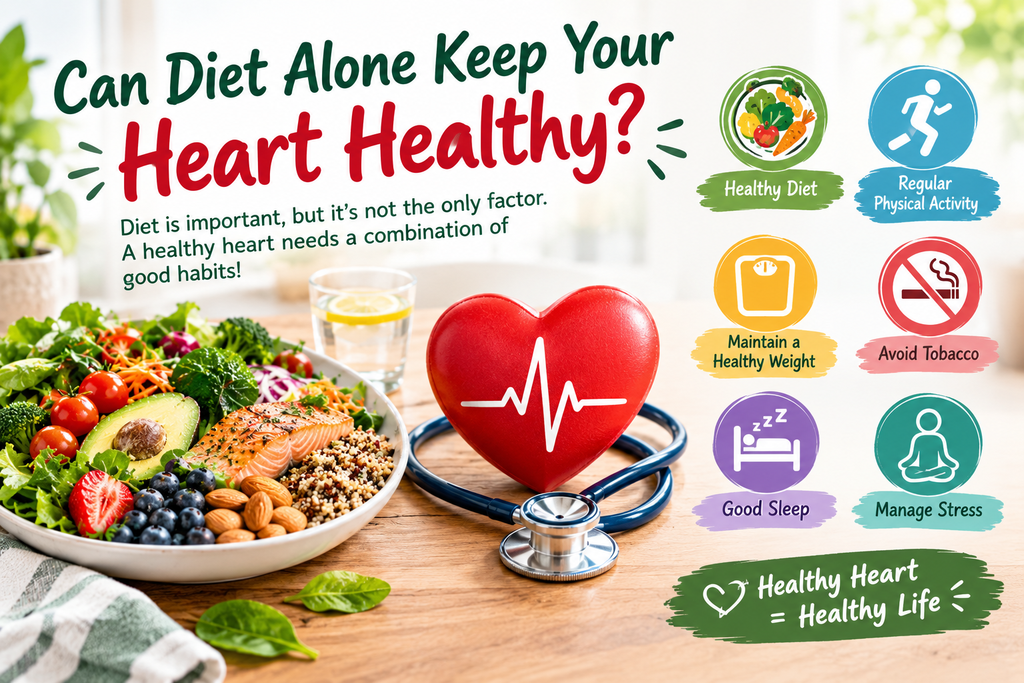
Diet is an important part of cardiovascular health, but it is not the only factor.
Regular physical activity, maintaining a healthy weight, avoiding tobacco, getting adequate sleep, managing stress, and following medical advice when needed can also contribute to overall heart health.
If you have high blood pressure, high cholesterol, diabetes, heart disease, or another medical condition, talk with a healthcare professional about the eating pattern that is appropriate for you.
For more information about healthy eating patterns for heart health, see the American Heart Association’s heart-healthy eating guidance.
Final Thoughts
A heart healthy diet is about building an overall pattern of nutritious eating rather than searching for one special food that can protect your heart.
Focus on vegetables, fruits, whole grains, beans, lean proteins, and appropriate sources of unsaturated fats. At the same time, limit excess sodium, added sugars, highly processed foods, and foods high in saturated fat.
Small changes made consistently can become lasting habits. The goal is to create an eating pattern that is nutritious, enjoyable, and realistic for your everyday life.
Frequently Asked Questions
1. What foods are good for a healthy heart?
Vegetables, fruits, whole grains, beans, lentils, nuts, seeds, fish, and other nutritious protein sources can be part of a heart-friendly eating pattern.
2. Can I eat eggs on a heart healthy diet?
Eggs can be included in many balanced diets, but individual dietary needs vary. People with specific cholesterol or heart-health concerns should discuss their diet with a healthcare professional.
3. Is oatmeal good for heart health?
Oatmeal can be a nutritious choice because it provides fiber. Choose minimally processed oatmeal and avoid adding large amounts of added sugar.
4. Should I completely avoid fats?
No. Some fats, particularly unsaturated fats, can be part of a balanced diet. The overall type and amount of fat are important.
5. How can I start eating healthier for my heart?
Start with simple changes such as eating more vegetables and fruits, choosing whole grains, reducing sugary drinks, watching portions, and limiting excess sodium and highly processed foods.
For daily healthy eating, you should also follow these healthy food tips for a better lifestyle.
Disclaimer: This information is for educational purposes only, please consult your doctor before trying any remedy.
