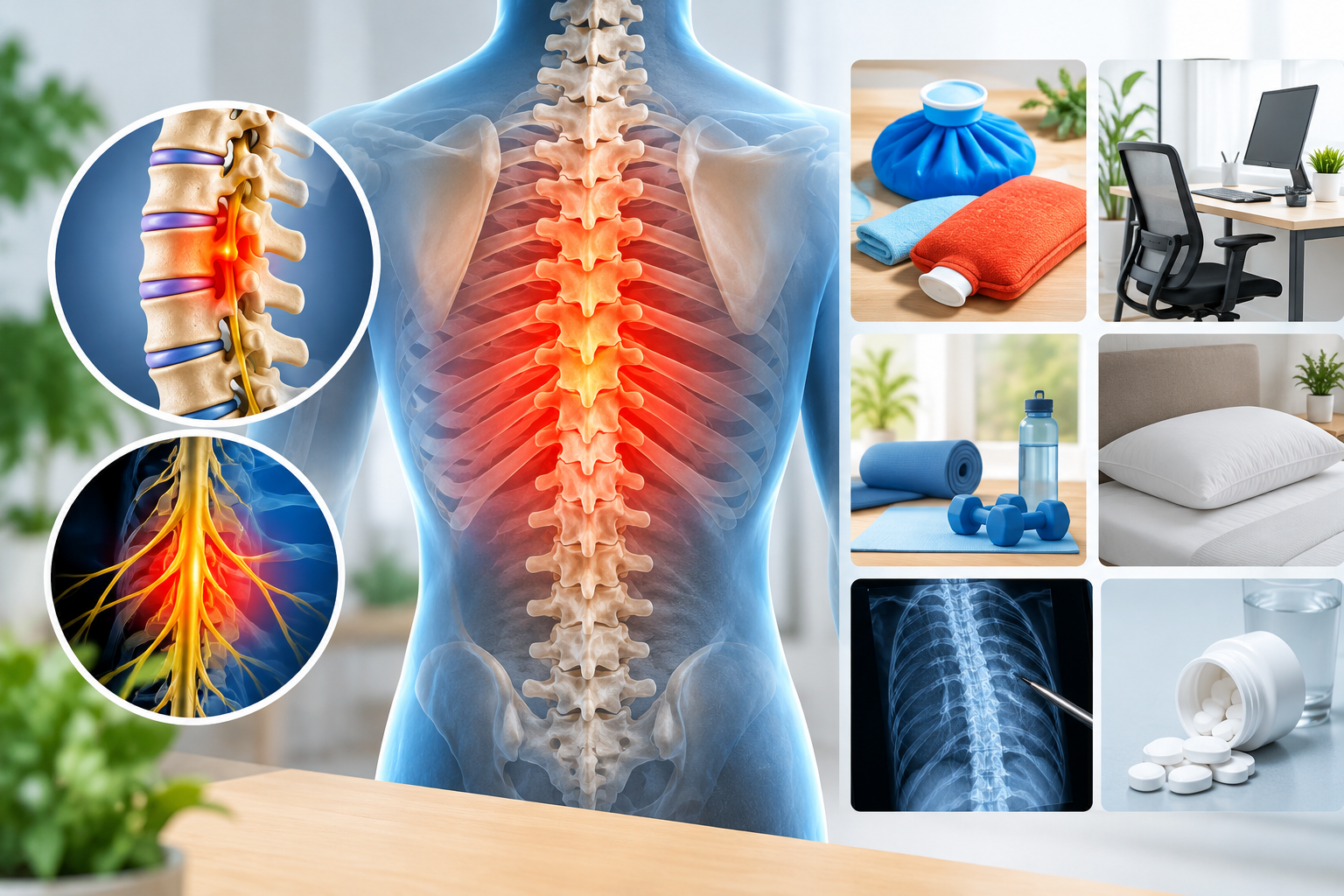
Middle back bone pain can interfere with simple activities such as working at a desk, reaching for a shelf, turning while driving, or getting comfortable in bed. The discomfort may feel like pressure along the spine, a pulling sensation beneath the shoulder blades, or a sharp ache that becomes noticeable when the upper body moves.
The thoracic spine is the middle section of the back. It consists of 12 vertebrae connected to the ribs, with discs, muscles, ligaments, and nerves supporting normal movement. Pain in this area does not necessarily mean that a spinal bone is injured. The source may be a muscle, a joint, a disc, a nerve, or, in some cases, a medical condition affecting another part of the body.
Learning how middle back bone pain behaves, what may trigger it, and which symptoms deserve attention can help you choose safer next steps.
Table of Contents
What Does Middle Back Bone Pain Feel Like?
The middle back lies between the base of the neck and the bottom of the rib cage. Discomfort can occur along the central spinal bones or in the tissues surrounding them.
The sensation is not the same for everyone. One person may experience a small, tender spot after lifting a heavy box, while another may feel an ache that extends from beneath the shoulder blades toward the side of the chest. Some people notice discomfort mainly during movement, whereas others experience stiffness after sitting or lying in one position.
These differences matter because the way pain begins and changes can provide clues about its source. However, the sensation alone cannot establish a diagnosis.
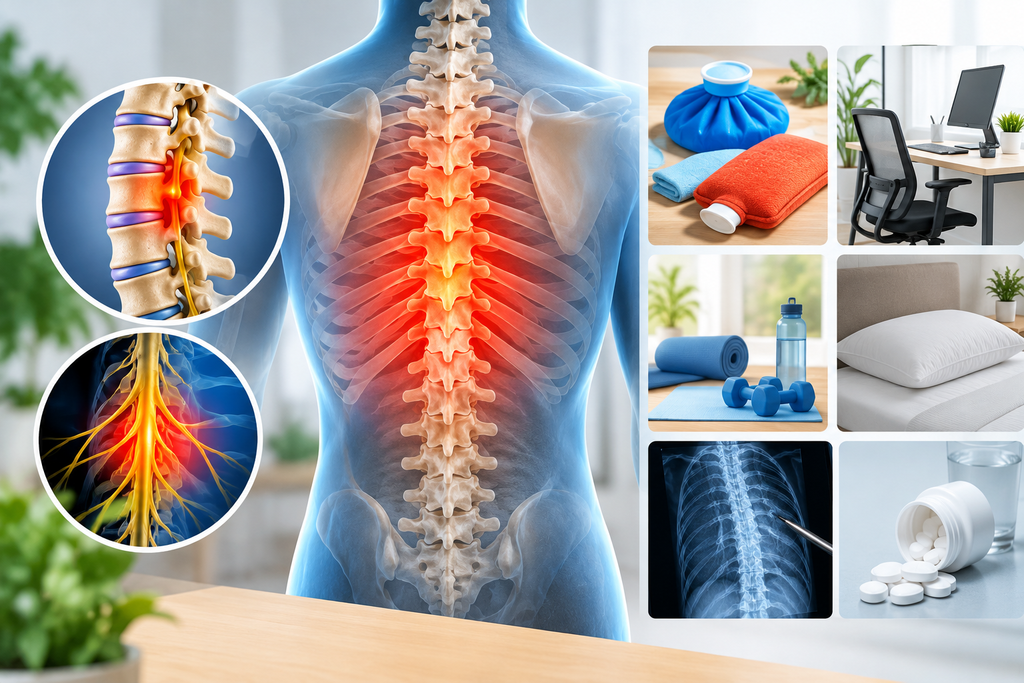
9 Possible Causes of Middle Back Bone Pain
1. Overworked Back Muscles
The muscles surrounding the thoracic spine help control the shoulders, support the upper body, and stabilize the trunk. Repeated reaching, lifting, vigorous exercise, or carrying a heavy load on one side can overload these tissues.
After excessive activity, the affected area may feel sore, tight, or unusually sensitive. Turning the torso or lifting the arms may make the discomfort more noticeable.
A mild muscular problem often improves gradually when aggravating activities are reduced and comfortable movement is maintained. Pain following a significant injury, however, should not automatically be treated as a simple muscle strain.
2. Long Periods Without Movement
A back that remains in one position for several hours may become uncomfortable even when no obvious injury has occurred. This can happen during computer work, studying, long journeys, or extended phone use.
When the same muscles remain active for too long, they may become fatigued. The joints and surrounding tissues can also feel stiff when you finally stand up or change direction.
Instead of concentrating on maintaining a rigid posture, try alternating between sitting, standing, and walking. Frequent changes in position can reduce the continuous workload placed on the same areas.
3. Sudden Lifting or Awkward Body Movements
A quick twist while lifting a suitcase, moving furniture, or reaching behind the body can place unexpected stress on the thoracic region.
The discomfort may begin immediately or become more apparent over the following hours. Bending, rotating, or stretching the arms might then feel difficult.
For future lifting, keep the object close to your body, move your feet to change direction, and avoid twisting your trunk under a heavy load. If the pain starts after a serious fall or collision, arrange urgent medical assessment because an injury to a vertebra or rib may have occurred.
4. Changes in the Spinal Discs
The discs between the vertebrae help distribute pressure when the body bends, turns, or absorbs everyday movement. A disc may develop a bulge or herniation that sometimes irritates a nearby nerve.
When nerve tissue is affected, the symptoms may extend beyond the original area. A person might notice burning discomfort around the ribs, tingling, unusual skin sensitivity, or numbness.
Disc abnormalities do not always cause pain, and their presence does not automatically mean surgery is needed. A clinician can assess whether the symptoms suggest a disc-related problem and whether imaging would be useful.
5. Reduced Bone Strength
Osteoporosis gradually lowers bone strength, increasing the possibility of fractures. A weakened vertebra can sometimes compress or collapse, producing pain in the middle back.
Unlike ordinary muscular soreness, a compression fracture may begin suddenly after a small fall, a minor movement, or an everyday task. Some people experience pronounced pain, while others develop a more subtle ache or a gradual change in posture.
New spinal pain in someone with known osteoporosis, fragile bones, or a previous compression fracture warrants medical attention. Prompt assessment is particularly important when the pain starts suddenly.
6. Arthritis and Other Spinal Changes
The joints and discs of the spine can change over time. In some people, arthritis or age-related wear contributes to stiffness and discomfort, especially after rest or repetitive activity.
These changes are not always the direct cause of symptoms. Some people have visible spinal changes on imaging without experiencing pain, while others need treatment to manage their symptoms.
A suitable care plan depends on how the person moves, the severity of the discomfort, their medical history, and whether other structures are involved.
7. Irritated Thoracic Nerves
Nerves emerging from the middle spine supply sensation to areas around the chest and ribs. If a nerve becomes irritated or compressed, pain may follow its path rather than remaining in one spot.
For example, the discomfort might begin beside the spine and travel around one side of the torso. Burning, tingling, or sensitivity to light touch may accompany it.
New numbness, muscle weakness, walking difficulties, or symptoms that are spreading should be assessed promptly. Sudden or progressive neurological problems require urgent medical care.
8. Muscle Tightness During Stressful Periods
During stressful days, some people unconsciously tighten their shoulders, hold their breath, or remain in a tense position. Over time, these habits may contribute to soreness around the upper and middle back.
Poor sleep and reduced physical activity can make the discomfort harder to manage. Gentle movement, regular breaks, relaxation exercises, and adequate rest may help when muscle tension is part of the problem.
However, stress is not a sufficient explanation for every case of back pain. Persistent symptoms or pain accompanied by other warning signs still require proper assessment.
9. Pain Coming From Outside the Spine
Not every ache felt in the middle back begins in the muscles or bones. Certain conditions affecting the lungs, heart, digestive system, or other internal organs can produce discomfort in this region.
The accompanying symptoms are especially important. Back pain with chest pressure, difficulty breathing, sweating, faintness, or severe abdominal pain may indicate a medical emergency rather than a routine spinal problem.
Do not attempt to identify an internal medical condition through pain location alone. Seek appropriate medical care when the cause is unclear or concerning symptoms are present.
Symptoms to Notice Along With Middle Back Pain
Pay attention to the way your discomfort develops, what makes it worse, and whether other changes appear. Useful details include:
- Pain during movement: Turning, reaching, lifting, or bending may increase discomfort.
- Stiffness after rest: The back may feel restricted after sitting for a long time or getting out of bed.
- Tenderness in a particular spot: Pressure over the affected area may reproduce the pain.
- Discomfort around the ribs: Some spinal or nerve-related problems can produce a band of pain around the torso.
- Burning or tingling sensations: These may suggest irritation of a nerve.
- Pain that interrupts sleep: Persistent or unexplained night pain should be discussed with a healthcare professional.
- Other physical symptoms: Fever, unexplained weight loss, weakness, chest symptoms, or breathing difficulties may indicate a problem that needs prompt attention.
Keep track of when the pain started, whether there was an injury, and how it changes throughout the day. These details can help a healthcare professional decide which examinations or tests may be appropriate.

How to Ease Middle Back Bone Pain Safely
Home care may be reasonable for mild discomfort that appears related to everyday activity, provided there are no warning signs or suspected serious injuries.
1. Take Short Movement Breaks
If sitting for long periods makes your back uncomfortable, stand up periodically and walk around for a few minutes. Gentle movement may help reduce stiffness and prevent the same muscles from remaining under constant demand.
You do not need an intense workout to begin moving more. Start with activities that feel comfortable and increase them gradually as symptoms improve.
2. Apply Comfortable Heat
A warm pack may help ease muscular tightness and make movement more comfortable. Wrap a heat pack or warm water bottle in a towel and use it for approximately 15–20 minutes.
Check the temperature before applying it and protect your skin throughout the process. Never fall asleep with a heating pad in place, and avoid heat over areas where sensation is reduced.
3. Consider Cold After a Minor Strain
When soreness follows a recent minor strain, a cold pack wrapped in cloth may provide temporary relief.
Apply it for around 10–15 minutes at a time, checking your skin regularly. Never place ice directly against your skin.
Heat and cold offer symptom relief rather than a diagnosis. If the pain is severe, follows a significant injury, or continues to worsen, seek medical advice instead of relying on compresses.
4. Make Your Workspace More Comfortable
Position your screen so you can view it without continually leaning your head forward. Keep frequently used items within easy reach and allow your shoulders to relax.
Change positions during the day rather than trying to sit perfectly still. A comfortable workstation combined with regular movement may be more practical than focusing on one ideal posture.
5. Return to Physical Activity Carefully
Gentle walking and ordinary activities may help maintain mobility when the problem is uncomplicated. Increase your activity according to how your body responds.
Avoid heavy lifting, forceful twisting, and strenuous exercises while the cause of unexplained pain remains uncertain. Stop any movement that causes a significant increase in discomfort.
If you suspect a fracture, have a serious injury, or develop numbness or weakness, seek medical guidance before exercising.
6. Find a Comfortable Sleeping Arrangement
Choose a position that allows you to rest without putting additional pressure on the painful area. A comfortable pillow and mattress may help you settle more easily.
There is no universally correct sleeping position for middle back pain. If the pain repeatedly wakes you, becomes severe at night, or continues without a clear explanation, arrange a medical assessment.
7. Be Careful With Pain Relievers
Some over-the-counter medicines can help certain types of back pain, but the safest choice depends on your age, medical conditions, and other medicines.
Anti-inflammatory drugs may be unsuitable for people with kidney disease, stomach ulcers, some cardiovascular conditions, or particular medication interactions. Ask a pharmacist or doctor for advice before using them if you are unsure.
Do not use prescription medication without professional guidance, and never allow pain relief to delay emergency care when warning signs are present.
If you want to understand more about back pain and safe ways to manage it, the NHS guide to back pain explains helpful self-care measures and symptoms that may require medical attention.
How Doctors Diagnose Middle Back Bone Pain
A medical assessment generally begins with questions about the pain, including when it started, whether an injury occurred, and whether movement changes the symptoms.
A clinician may examine the spine, check muscle tenderness, assess movement, and test strength, sensation, and reflexes when appropriate. Other examinations may be necessary if symptoms suggest that the pain comes from the chest or abdomen rather than the spine.
Imaging is not automatically required for every case. Depending on the findings, a doctor may consider an X-ray to investigate a suspected fracture, an MRI to examine discs and nerves, or other tests to investigate a specific condition.
The purpose of these investigations is to answer a clinical question, not simply to identify every age-related change in the spine.
Medical Treatment Options
Treatment should match the underlying cause instead of focusing only on the painful area.
- Physiotherapy: A qualified physiotherapist can develop a suitable programme to improve movement, strength, and physical function.
- Appropriate medication: A healthcare professional can advise on pain relief after considering possible benefits and risks.
- Fracture management: Vertebral injuries may require a specific plan based on their severity, bone health, and stability.
- Treatment for underlying conditions: Infections, osteoporosis, inflammatory disorders, and other medical problems need condition-specific care.
- Specialist assessment: Persistent, complicated, or unexplained symptoms may require evaluation by an appropriate specialist.
Surgery is not the usual first step for uncomplicated middle back pain. It is considered only in selected situations where the diagnosis and severity justify it.
When Is Middle Back Pain an Emergency?
Some symptoms should never be managed with home remedies alone.
Seek emergency medical care immediately if you experience:
- Middle back pain accompanied by chest pressure, difficulty breathing, cold sweating, or faintness.
- Sudden severe pain following a major accident or significant fall.
- New loss of bladder or bowel control, inability to pass urine, or numbness around the groin or buttocks.
- Sudden or progressive weakness in the legs or major difficulty walking.
Arrange prompt medical evaluation for back pain accompanied by fever, unexplained weight loss, a history of cancer, known osteoporosis, or persistent pain that is worsening or repeatedly disturbing sleep.
The safest response depends on the symptoms and their severity. Do not wait for an appointment or home treatment if emergency warning signs develop.
Daily Habits That Support a Healthier Back
Everyday routines can influence how much strain your back experiences. Although good habits cannot prevent every spinal condition, they may support comfortable movement.
Move Throughout the Day
Break up long periods of desk work, television viewing, or driving. Short walks and comfortable changes in position can help prevent stiffness from building up.
Strengthen Your Body Gradually
When your symptoms allow it, appropriate exercises for the trunk, shoulders, and back can support normal movement. Begin at a manageable level and increase the difficulty slowly rather than suddenly changing your routine.
Handle Heavy Objects With Care
Before lifting, assess the weight and decide whether you need assistance. Keep the object close to your body and turn your feet instead of twisting your spine while carrying it.
Support Bone Health
Adequate nutrition, suitable weight-bearing activity, and medical care when indicated can contribute to healthy bones. People at risk of osteoporosis should discuss appropriate screening and prevention with their healthcare professional.
Take Persistent Symptoms Seriously
Repeatedly ignoring pain or continuing activities that make it worse can delay appropriate care. If discomfort keeps returning or begins affecting daily life, arrange an assessment to identify the cause.
Frequently Asked Questions
1. Why does the middle of my back hurt near the spine?
Possible explanations include muscle strain, joint irritation, disc problems, or a vertebral injury. The location alone cannot identify the cause. The way the pain began and any accompanying symptoms are important clues.
2. Can sitting too long cause middle back bone pain?
Extended sitting can contribute to muscle fatigue and stiffness, especially when you rarely change position. Taking movement breaks and adjusting your workstation may help, although persistent pain should not automatically be blamed on sitting.
3. Why does middle back pain spread around my ribs?
The nerves that emerge from the thoracic spine travel around the rib cage. When one becomes irritated, discomfort may follow its path. Other conditions affecting the chest can cause similar symptoms, so new or unexplained pain needs appropriate assessment.
4. Can weak bones cause pain in the middle back?
Yes. Osteoporosis can increase the risk of a vertebral compression fracture, which may cause sudden or persistent back pain. New spinal pain in someone with osteoporosis should be assessed by a healthcare professional.
5. How long does middle back pain take to improve?
Minor muscular discomfort may start settling within several days and improve over the following weeks. Recovery depends on the cause and severity. Pain that worsens, fails to improve, or occurs with warning signs requires medical attention.
6. Is walking helpful for middle back pain?
Gentle walking may be beneficial for uncomplicated pain because it keeps the body moving without heavy loading. Start with a comfortable distance and stop if symptoms become significantly worse. Serious injuries and neurological symptoms require medical assessment.
7. When should I worry about middle back bone pain?
Be especially cautious when pain is severe, unexplained, progressive, or associated with fever, weakness, chest discomfort, breathing problems, or bladder and bowel changes. Some of these symptoms require emergency care.
Conclusion
Middle back bone pain can arise from overloaded muscles, prolonged inactivity, spinal disc changes, weakened bones, nerve irritation, or conditions outside the spine. Understanding the circumstances in which the discomfort appears can help guide the next step, but symptoms alone cannot confirm a diagnosis.
For mild pain without warning signs, comfortable movement, regular breaks, and carefully applied heat or cold may provide temporary relief. Persistent symptoms deserve professional assessment, and emergency warning signs should never be ignored.
A thoughtful approach to movement, lifting, bone health, and early medical evaluation can help you protect your back and maintain everyday comfort.
Medical Disclaimer: This article is intended for general educational purposes and cannot replace professional medical advice, diagnosis, or treatment. Consult a qualified healthcare professional about persistent or unexplained pain, and seek emergency care for serious warning signs.
